

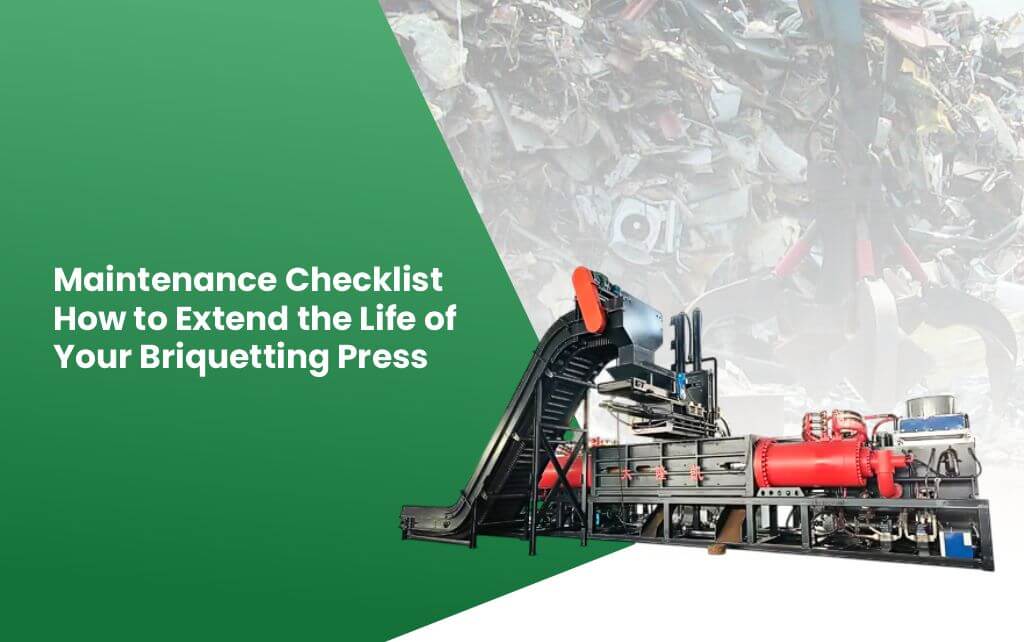
Maintenance Checklist: How to Extend the Life of Your Briquetting Press
Keeping a briquetting press in top shape is one of the smartest investments a recycling or manufacturing operation can make. These machines work under heavy load and constant pressure, so small issues that go unnoticed often turn into expensive repairs or long periods of downtime. A clear and consistent maintenance plan not only protects the equipment but also improves output quality, energy efficiency, and operator safety.
This guide walks through a complete maintenance checklist designed to help businesses keep their machines running at their best. It also shares practical examples, early warning signs to watch for, and proven steps used by experienced service teams. Companies that work closely with a reliable briquetting machine manufacturer or service provider already know the value of consistent care. For everyone else, this checklist will help build a strong routine that pays off year after year.
Why Routine Maintenance Matters More Than Most Businesses Realize
A briquetting press isn’t just another piece of machinery. It is the engine that drives material recovery, waste reduction, and production efficiency. When it works well, businesses save money on material handling, reduce waste volume, and produce uniform briquettes that hold strong in transport and storage. When it performs poorly, everything from material flow to production targets is affected.
Many operators assume the machine will continue to operate the same way it did on day one. In reality, these presses experience friction, vibration, temperature changes, and hydraulic strain daily. Without maintenance, these forces increase wear and shorten the life of critical parts. Eventually, this leads to hydraulic failures, misaligned components, overheating, and frequent stoppages.
A clear checklist helps teams stay ahead of trouble. It ensures nothing gets overlooked and builds consistency among shifts. Super Recycling Solutions often recommends that businesses treat maintenance as a key part of production planning. It is as essential as raw material input and finished product output.
Build a Strong Daily Maintenance Routine
Daily maintenance is the first line of defense. These tasks take only a few minutes but make a major difference in long-term performance. Operators interact with the machine every day, so they are the best people to notice small changes before they grow into problems.
1. Check for unusual noises or vibrations
Every machine builds its own rhythm over time. If operators hear knocking, grinding, or rattling, it usually means something is loosening or wearing out. Early detection allows quick adjustments before the issue damages bearings, shafts, or press components.
2. Inspect hydraulic pressure and temperature
Hydraulic systems power most briquetting presses. They must run within the recommended pressure range to produce consistent briquettes. Pressure that is too low can lead to weak briquettes. Pressure that is too high strains seals and hoses. A quick check of gauges helps avoid either problem.
Temperature is equally important. If the system heats up too quickly or runs hotter than usual, it may indicate restricted oil flow or a failing cooling component.
3. Check oil levels before startup
Low hydraulic oil leads to serious damage in a short time. Operators should confirm oil levels before running the press each shift. If the oil drops frequently, it may signal a leak that needs attention.
4. Look for material blockages or buildup
Dust, chips, and shavings accumulate around the hopper, feed system, and press chamber. Buildup affects feeding performance and can overwork the machine. A quick clean prevents blockages, overheating, and uneven material flow.
5. Confirm emergency stop and safety features
Safety components must always work perfectly. Daily checks help avoid accidents and ensure the system is compliant with on-site safety requirements.
Weekly Checks That Keep the Machine Running Smoothly
Weekly maintenance goes deeper than daily visual checks. This level of care ensures that critical moving components stay aligned, lubricated, and clean.
1. Inspect the machine structure and frame
Frames can shift slightly from constant pressure. Look for cracks, loose bolts, or signs of misalignment. Even small changes can affect force distribution and make the press work harder than necessary.
2. Clean and inspect the hydraulic filter
Filters catch dirt, metal particles, and impurities in the hydraulic oil. If they clog, the system loses efficiency and overheats. Cleaning or replacing the filter on schedule keeps oil flow steady and protects valves and cylinders.
3. Lubricate moving components
Many presses have specific grease points that require weekly lubrication. Lubrication reduces friction and wear, extending the life of pins, bearings, and mechanical joints. Follow the manufacturer’s manual for correct lubrication intervals.
4. Check conveyor belts or feeding systems
If the briquetting press is connected to a conveyor, shredder, or screw feeder, these components also need attention. Ensure the belts are tight, the rollers turn freely, and the motors operate smoothly.
5. Verify briquette quality
A briquette with cracks, inconsistent density, or weak binding often points to internal issues. Weekly checks of briquette quality help identify early changes in compression force, alignment, or hydraulic performance.
Monthly Maintenance to Prevent Long-Term Wear
Monthly checks focus on deeper inspection and cleaning. They help identify long-term wear patterns that daily or weekly checks might miss.
a) Test hydraulic oil condition
Oil degrades over time. Heat, pressure, metal particles, and dirt change its thickness and lubrication quality. Dark, cloudy, or burnt-smelling oil should be replaced immediately. Some companies use oil testing kits to track oil quality more accurately.
b) Inspect and clean the cooling system
Cooling systems keep hydraulic oil at a safe temperature. Dust and debris can block airflow in fans, radiators, or heat exchangers. Clean the cooling system thoroughly each month and check that fans operate at the correct speed.
c) Examine hoses, seals, and connections
Small cracks or soft spots on hoses often appear before leaks begin. Check all fittings and seals for moisture or oil traces. Replace worn parts early to avoid sudden failures.
d) Check electrical wiring
Inspect for loose connections, damaged cables, or corroded terminals. Electrical faults often cause inconsistent performance or sudden shutdowns.
e) Review machine output patterns
Keep records of daily production volumes and briquette density. If the machine gradually produces fewer briquettes, consumes more power, or produces weaker output, it may need calibration or deeper inspection.
Quarterly Maintenance for Stable Long-Term Performance
Quarterly maintenance is more detailed. It is similar to a seasonal health check-up for the machine. Super Recycling Solutions often helps clients perform these checks, especially when handling heavy production loads.
1. Calibrate machine pressure and compression settings
Over time, the press may drift from its original settings. Calibration ensures that compression levels are accurate and consistent. This step impacts briquette strength more than many businesses realize.
2. Inspect wear liners and pressing components
Press chambers, screws, and compaction components experience constant strain. Wear liners protect these parts. Checking their thickness helps operators know when to replace them. Timely replacement prevents damage to the press chamber itself.
3. Service motors and gearboxes
Gearboxes need clean oil or grease and must run without excessive heat or noise. Motors should be inspected for correct amperage draw and performance. Worn bearings or misalignment often show up during quarterly checks.
4. Perform vibration analysis
Some operators use vibration meters to track changes in machine behavior. Rising vibration levels often indicate misalignment, bearing wear, or imbalance.
5. Review the entire lubrication system
Ensure grease lines are not blocked and that all lubrication points receive equal distribution. A faulty lubrication system can cause widespread, fast-moving damage.
Annual Maintenance and Full Machine Inspection
Annual maintenance is the most detailed and usually involves a professional inspection. This is also when many businesses consult a trusted briquetting machine manufacturer or service engineer. A full review once a year helps restore the machine to near-original performance.
a) Replace hydraulic oil and major filters
Even with regular inspection, hydraulic oil should be replaced annually. This resets the system and removes the risk of long-term contamination.
b) Perform a full structural integrity check
Look for signs of fatigue, metal stress, cracks, or deformation in load-bearing areas. Structural wear affects compression efficiency and safety.
c) Rebuild or replace wear-heavy components
Parts like pressing rams, screws, sleeves, and liners may require refurbishment. Rebuilding these components adds years of life to the press.
d) Run a complete performance test
Measure production capacity, briquette density, motor load, hydraulic pressure stability, and cycle time. Compare results to the machine’s original performance to identify any hidden decline.
Update software and control systems
If the machine uses PLC or automated controls, ensure firmware and programming routines are updated. This helps improve efficiency and supports new safety requirements.
Common Warning Signs That Your Briquetting Press Needs Attention
Even with a strong maintenance schedule, unexpected issues can arise. Operators should watch for early warning signs that indicate deeper problems.
1. Drop in briquette strength or density
This often signals issues with hydraulic pressure, misalignment, or wear in the pressing chamber.
2. Hydraulic system overheating
Usually caused by long-running periods, clogged filters, low oil levels, or cooling system faults.
3. Slow cycle time
Friction, reduced pressure, or failing valves can slow production.
4. Oil leaks
Even small leaks must be addressed quickly. Leaks rarely fix themselves.
5. Loud knocking or grinding noises
Often linked to bearings, misalignment, or loose structural components.
6. Irregular briquette shapes
This points to feed system inconsistencies or internal chamber wear.
Catching these symptoms early helps avoid bigger failures and keeps downtime to a minimum.
Why Working With the Right Partner Makes a Big Difference
Maintenance becomes much easier when businesses work with an experienced partner. Companies that buy equipment from a reliable briquetting machine manufacturer get better support, replacement parts, and training. Super Recycling Solutions has seen that many issues are preventable when operators receive correct guidance.
a) Access to genuine spare parts
Original replacement parts maintain performance and reduce the risk of premature wear.
b) Technical training for operators
Teams that understand how the machine works are less likely to overlook early warning signs.
c) Scheduled service packages
Some manufacturers offer annual or quarterly service programs that keep the machine under professional supervision.
d) Faster troubleshooting
Support teams who understand the machine’s design can quickly diagnose problems and suggest solutions.
This type of partnership is especially important for high-output facilities where downtime is expensive.
Additional Tips to Extend the Life of Your Briquetting Press
Beyond regular maintenance, several smart habits help operators get the most out of the machine.
1. Use clean and consistent input material
Foreign objects like metal, stones, or oversized materials cause damage. Maintain good screening practices.
2. Avoid running the machine beyond its rated capacity
Overloading the press reduces its lifespan and leads to premature wear.
3. Implement a clear operator protocol
When every shift follows the same startup, shutdown, and inspection routine, the machine stays healthier.
4. Document every maintenance activity
Logs help track wear patterns and predict upcoming repairs.
5. Keep the machine area clean
Dust and debris around the press interfere with sensors, cooling systems, and moving parts.
6. Consult the manufacturer for upgrades
Sometimes, simple component upgrades boost performance and reduce wear.
Following these habits creates a culture of care and leads to longer machine life and better production output.
Conclusion:
A well-maintained briquetting press lasts longer, runs more efficiently, and delivers stronger briquettes. The daily, weekly, monthly, quarterly, and annual tasks outlined here offer a complete checklist that any operation can follow. Companies that pair this routine with support from a trusted briquetting machine manufacturer get even better results, especially with machines that operate around the clock.
Super Recycling Solutions encourages businesses to treat maintenance as part of production, not an afterthought. With consistent care, operators avoid breakdowns, reduce costs, and ensure the machine performs at the level the business needs. A strong maintenance plan is the simplest way to protect your investment and extend the life of your briquetting press for many years to come.
If your team needs help with machine inspection, parts, or long-term service support, connect with Super Recycling Solutions for expert guidance.