

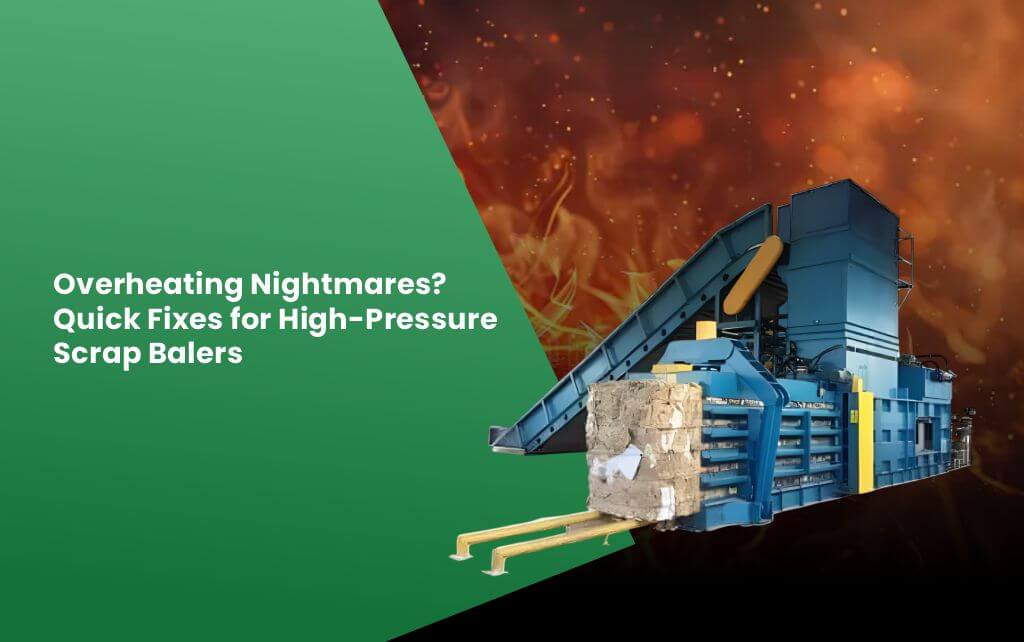
Overheating Nightmares? Quick Fixes for High-Pressure Scrap Balers
In recycling yards and industrial facilities, high-pressure scrap balers work under intense conditions every single day. They compress metal, plastic, paper, and mixed scrap into dense bales that keep operations efficient and profitable. But when a baler starts overheating, productivity drops fast. Downtime increases, maintenance costs rise, and the risk of long-term damage becomes very real.
Overheating is one of the most common and frustrating issues faced by operators of hydraulic balers. The good news is that most overheating problems are preventable and fixable with the right approach. This article explains why high-pressure scrap balers overheat, how to spot early warning signs, and what practical steps can be taken to keep machines running cool and reliable. For businesses relying on consistent output, these fixes can make a noticeable difference.
Understanding Why High-Pressure Scrap Balers Overheat
Before jumping into solutions, it helps to understand what causes overheating in the first place. A high-pressure scrap baler relies heavily on hydraulic systems, electric motors, and continuous mechanical movement. When any of these components are stressed beyond their limits, excess heat builds up.
Common Causes of Overheating
Several factors often work together to create overheating issues:
- Hydraulic oil breakdown due to contamination or incorrect viscosity
- Blocked or undersized cooling systems that cannot dissipate heat efficiently
- Overworked motors and pumps caused by excessive pressure settings
- Poor ventilation around the baler unit
- Infrequent maintenance schedules
For example, a scrap yard running a hydraulic baler continuously without adequate cooling breaks may notice oil temperatures rising steadily throughout the day. Over time, this heat damages seals, hoses, and pumps, leading to costly repairs.
Understanding these root causes allows operators to apply targeted fixes rather than temporary workarounds.
Early Warning Signs You Should Never Ignore
Overheating rarely happens without warning. Most high-pressure scrap balers give clear signals before a serious failure occurs. Recognizing these signs early can save both time and money.
Visual and Performance Indicators
Operators should stay alert for:
- Hydraulic oil discoloration or burning smell
- Sluggish ram movement or delayed compression cycles
- Frequent pressure drops during operation
- Unusual noises from pumps or motors
- Automatic shutdowns triggered by thermal sensors
For instance, if a baler takes longer than usual to complete a compression cycle, it may indicate rising oil temperature affecting hydraulic efficiency. Ignoring this sign can lead to complete system failure.
Regular operator training plays a key role here. When staff understand what “normal” performance looks like, they can quickly identify when something feels off.
Quick Fix #1: Optimize Hydraulic Oil Quality and Levels
Hydraulic oil is the lifeblood of any high-pressure scrap baler. When oil quality drops, heat builds up rapidly.
Use the Right Oil for the Job
Not all hydraulic oils are the same. Using oil with incorrect viscosity can increase friction and reduce cooling efficiency. Manufacturers typically recommend specific oil grades based on operating pressure and ambient temperature.
- In hotter climates, oil with better thermal stability is essential
- In colder environments, oil must still flow smoothly at startup
At Super Recycling Solution, technicians often find that switching to manufacturer-approved oil alone resolves recurring overheating complaints.
Maintain Proper Oil Levels
Low oil levels force the pump to work harder, generating excess heat. Overfilled systems, on the other hand, can cause foaming and poor heat transfer. Regular level checks should be part of daily or weekly inspections, depending on usage intensity.
Quick Fix #2: Improve Cooling System Efficiency
Cooling systems exist for a reason, yet they are often overlooked until problems arise.
Clean Heat Exchangers and Coolers
Dust, scrap particles, and grease can clog cooling fins and radiators. When airflow is restricted, heat has nowhere to go.
Simple actions include:
- Cleaning coolers with compressed air or low-pressure water
- Removing debris from fan guards and vents
- Ensuring cooling fans are fully functional
A recycling facility processing metal scrap noticed repeated overheating issues during summer months. After cleaning the oil cooler and replacing a faulty fan, operating temperatures dropped significantly within hours.
Consider Upgrading Cooling Capacity
If a high-pressure scrap baler consistently runs at maximum load, the original cooling system may not be sufficient. Adding an auxiliary oil cooler or upgrading to a higher-capacity unit can provide long-term relief.
Quick Fix #3: Review Pressure Settings and Load Management
Running a baler at unnecessarily high pressure is a common mistake. While higher pressure may seem beneficial for denser bales, it often creates more heat than the system can handle.
Balance Pressure and Productivity
Operators should:
- Verify pressure settings against manufacturer guidelines
- Adjust pressure based on material type
- Avoid “over-compressing” light or mixed scrap
For example, aluminum cans do not require the same pressure as steel scrap. Using excessive force only increases wear and heat generation.
Avoid Continuous Overloading
Continuous operation without breaks prevents heat from dissipating naturally. Scheduling short cooling intervals between heavy cycles can extend machine life and reduce overheating risk.
Quick Fix #4: Maintain Motors, Pumps, and Electrical Components
Mechanical and electrical components play a major role in heat generation.
Inspect Motors and Pumps Regularly
Worn bearings, misaligned couplings, or damaged pump components increase resistance. This resistance translates directly into heat.
Routine checks should include:
- Listening for abnormal motor sounds
- Checking pump efficiency and pressure consistency
- Monitoring electrical load and amperage
A hydraulic baler running with a failing pump may still function, but it will generate excessive heat until the pump eventually fails.
Ensure Proper Electrical Supply
Voltage fluctuations and undersized power connections can cause motors to overheat. Electrical inspections should confirm stable voltage and adequate capacity for the baler’s requirements.
Quick Fix #5: Improve Ventilation and Workspace Layout
Sometimes, the problem is not the machine itself but its environment.
Create Space for Heat Dissipation
High-pressure scrap balers generate heat even under ideal conditions. When placed in confined or poorly ventilated areas, that heat builds up quickly.
Effective steps include:
- Keeping sufficient clearance around the machine
- Installing exhaust fans or roof vents
- Avoiding placement near heat-generating equipment
In one facility, simply relocating stacked scrap away from the baler’s ventilation area reduced operating temperatures noticeably.
Monitor Ambient Temperature
During peak summer months, ambient heat adds extra stress to hydraulic systems. Running balers during cooler hours or improving airflow can help balance conditions.
Quick Fix #6: Build a Preventive Maintenance Routine
Quick fixes work best when supported by consistent maintenance. Preventive care reduces the likelihood of overheating in the first place.
Create a Practical Maintenance Checklist
An effective routine might include:
- Daily visual inspections
- Weekly oil and filter checks
- Monthly cooling system cleaning
- Quarterly pressure calibration
Documenting these checks helps identify patterns and recurring issues.
Partner with Reliable Service Providers
Professional servicing ensures deeper issues are addressed before they become serious. Many recycling businesses rely on experienced providers like Super Recycling Solution to keep industrial balers operating efficiently throughout the year.
Long-Term Benefits of Addressing Overheating Early
Ignoring overheating issues can shorten the lifespan of even the most robust high-pressure scrap baler. On the other hand, proactive fixes deliver measurable benefits.
Reduced Downtime and Repair Costs
Machines that operate within safe temperature ranges experience fewer breakdowns. This means less unplanned downtime and lower emergency repair expenses.
Improved Bale Quality and Output
Stable hydraulic performance leads to consistent compression force. The result is uniform, high-density bales that are easier to transport and sell.
Enhanced Workplace Safety
Overheated systems increase the risk of hydraulic hose failure and electrical issues. Maintaining proper temperatures protects both equipment and operators.
Conclusion:
Overheating does not have to be an unavoidable part of operating high-pressure scrap balers. With the right knowledge and practical adjustments, most heat-related issues can be resolved quickly and effectively. From maintaining hydraulic oil quality to improving cooling systems and reviewing pressure settings, small changes often lead to big improvements.
For recycling businesses that depend on reliable baler performance, proactive maintenance is an investment, not a cost. Addressing overheating early protects equipment, improves productivity, and supports long-term operational stability.
If a facility is struggling with recurring baler heat issues or looking to optimize existing equipment, Super Recycling Solution offers expert guidance and dependable support. Taking action today can prevent tomorrow’s downtime and keep scrap operations running smoothly.